

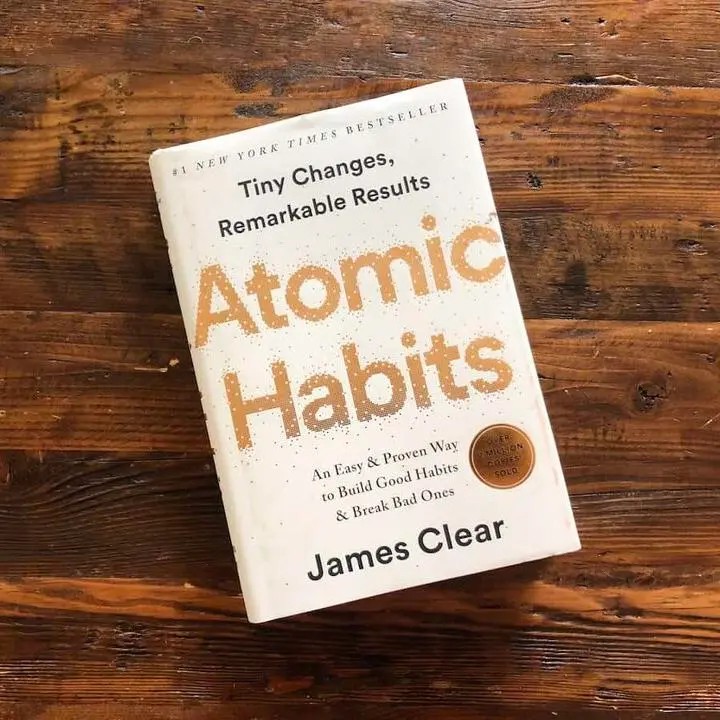
Small habits create big results because consistent actions compound over time, turning daily behaviours into stronger skills, higher standards and sustainable performance. At Claro Partners, this principle is central to how we approach sales development, leadership and personal growth.
The idea is closely associated with Atomic Habits by James Clear, which explores how small behavioural changes can create significant long term outcomes. For professionals working in a performance driven environment, the principle is particularly relevant because sales success and leadership development are rarely determined by one exceptional day.
Instead, they are built through what happens repeatedly.
Why do small habits matter in sales?
Small habits matter in sales because consistent behaviours create the foundation for reliable performance. At Claro Partners, this can include preparing before a campaign, reviewing customer conversations, tracking performance, improving communication and actively seeking feedback.
A sales professional does not suddenly become exceptional because of one successful conversation. Their ability develops through hundreds of conversations, each providing another opportunity to improve their approach.
The same principle applies to field sales. Preparation, territory management, customer engagement and performance reviews may appear routine, but consistently executing these activities creates stronger sales professionals over time.
The difference between occasional performance and sustainable performance is often the quality of the habits supporting it.
How do habits influence professional development?
Habits influence professional development by reinforcing the behaviours and standards that individuals want to become known for. At Claro Partners, personal development is not treated as something that happens only during formal training sessions because development also happens through the behaviours repeated throughout the working week.
Someone who consistently asks for feedback becomes more comfortable receiving constructive criticism. Someone who regularly reviews their performance develops greater self awareness. Someone who prepares thoroughly before customer interactions develops greater confidence because they know they have done the work beforehand.
These habits gradually become part of a person’s professional identity.
Instead of simply thinking, “I want to become better at sales”, the more useful question becomes, “What does someone who is excellent at sales consistently do?”
That question changes development from an ambition into a practical process.
Does consistency matter more than intensity?
Consistency is often more valuable than short bursts of intensity because meaningful development requires enough repetition for new behaviours to become established. At Claro Partners, this is particularly relevant in environments where individuals are developing sales, communication and leadership skills simultaneously.
It is easy to become motivated by a new target and put significant effort into achieving it for a short period. The challenge is maintaining those standards when motivation naturally fluctuates.
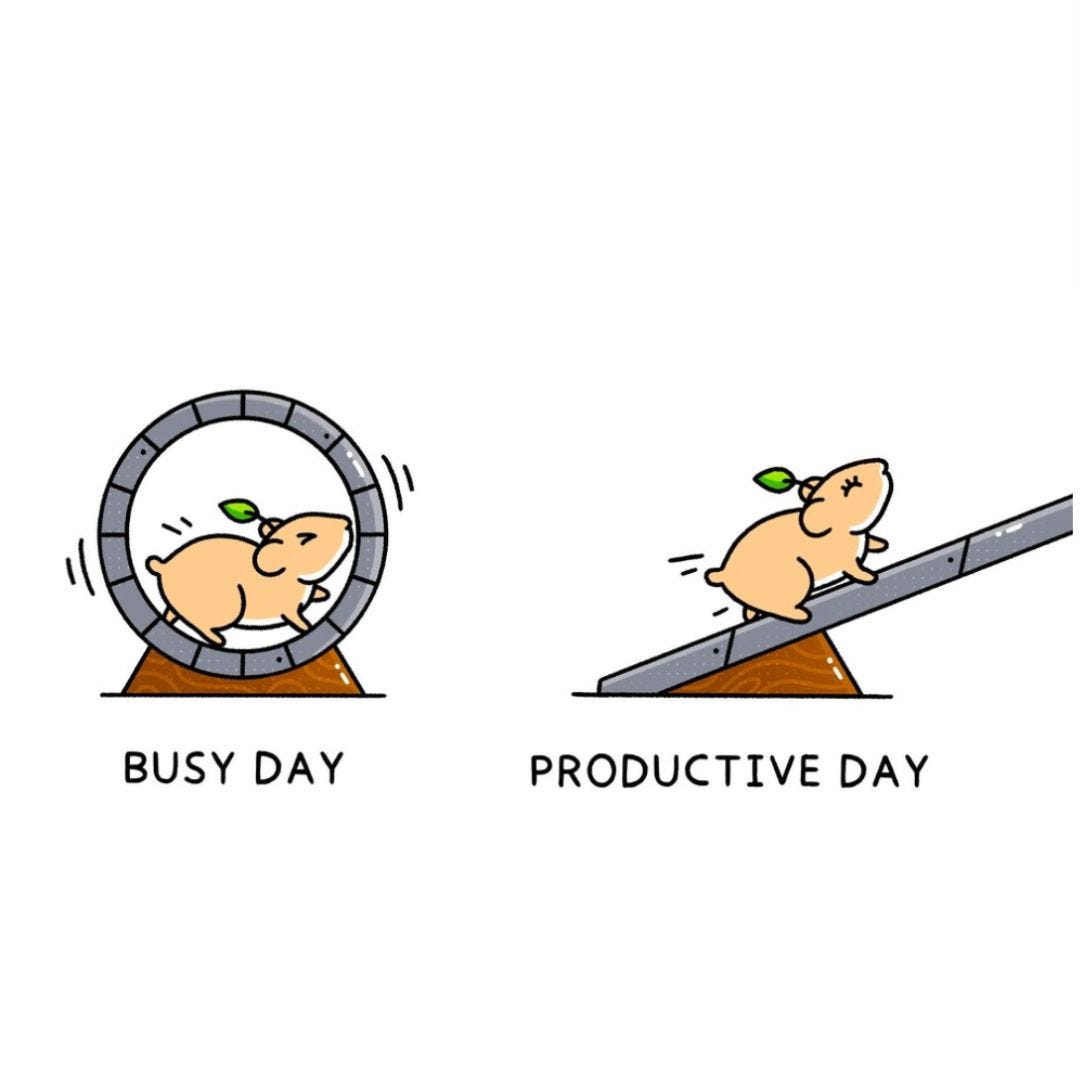
Consistent performance comes from having routines that continue even when motivation is not at its highest.
A sales professional who improves one aspect of their customer conversations every week can make significant progress over several months. A developing leader who regularly reflects on their communication can gradually become more effective at coaching and supporting others.
Small improvements become meaningful when they are given enough time to compound.
How does your environment affect your habits?
Your environment has a significant influence on the habits you develop because the people, expectations and routines around you can either reinforce positive behaviours or make them harder to maintain. At Claro Partners, creating an environment built around development, accountability and progression helps individuals establish habits that support their wider ambitions.
Clear expectations make standards easier to understand. Regular feedback makes improvement easier to identify. Structured development gives individuals opportunities to put new skills into practice.
This is particularly important in sales because performance is visible. Results provide feedback, customer conversations provide learning opportunities and day to day activity creates a constant opportunity to refine an approach.
A strong environment does not remove the need for personal discipline, but it gives people the structure and support required to apply it consistently.
What habits help develop strong leaders?
Strong leadership habits include preparation, accountability, reflection, communication and continuous learning. At Claro Partners, leadership development starts with individuals taking responsibility for their own performance before they are expected to influence the performance of others.
A leader who prepares thoroughly demonstrates the importance of preparation. A leader who accepts feedback demonstrates accountability. A leader who consistently looks for ways to improve demonstrates a growth mindset.
These behaviours can influence an entire team because people often learn as much from what leaders consistently demonstrate as they do from what leaders communicate.
Leadership therefore becomes less about having a title and more about establishing standards through everyday behaviour.
How do habits build confidence?
Habits build confidence by creating evidence that you can rely on yourself to follow through. At Claro Partners, confidence is developed through action rather than simply being treated as a personality trait.
Every time someone prepares properly, handles a difficult customer conversation, achieves a target or responds constructively to feedback, they create another piece of evidence that they are capable of improving.
That evidence matters.
Confidence becomes much more sustainable when it is based on experience rather than expectation. The more consistently someone practises a skill, the more familiar that skill becomes, and familiarity can create the confidence required to take on greater challenges.
This is one reason structured sales development can be so valuable early in a career because individuals are given repeated opportunities to practise communication, resilience, problem solving and leadership in real situations.
What is the most important habit for long term performance?
The most important habit for long term performance is consistently doing the actions that move you towards the person and professional you want to become. At Claro Partners, this means focusing on the behaviours behind performance rather than becoming solely focused on the final outcome.
Targets are important, but the daily actions supporting those targets are where development actually happens.
If the goal is to become a stronger salesperson, build habits around preparation, questioning, listening and reviewing performance.
If the goal is to become a stronger leader, build habits around accountability, communication, coaching and continuous learning.
If the goal is to develop professionally, build a habit of looking for feedback and acting on it.
The outcome is important, but the system that produces the outcome is what makes success repeatable.
How can you start building better habits?
Building better habits starts with choosing one behaviour that can be improved consistently rather than attempting to change everything at once. At Claro Partners, sustainable development is built through practical actions that individuals can apply within their everyday roles.
Choose one area that would make a meaningful difference to your performance and make it measurable.
You might decide to review your performance for ten minutes at the end of every working day, ask for one piece of feedback after a customer interaction, prepare more thoroughly before each campaign or spend time developing one specific communication skill each week.
The action itself does not need to be dramatic.
What matters is whether you are prepared to repeat it.
The bigger lesson from Atomic Habits
Atomic Habits provides a simple but powerful reminder that significant growth does not always begin with a significant action. At Claro Partners, we see this principle in sales development, leadership and team performance every day because the people who make sustained progress are often those who are willing to improve the fundamentals consistently.
Small habits create stronger standards.
Stronger standards create better behaviours.
Better behaviours create better performance.
And when those behaviours are repeated for long enough, what once required conscious effort can become the standard you naturally operate at.
Growth does not have to happen all at once. Sometimes it starts with one small habit, repeated consistently.


Leave a Reply